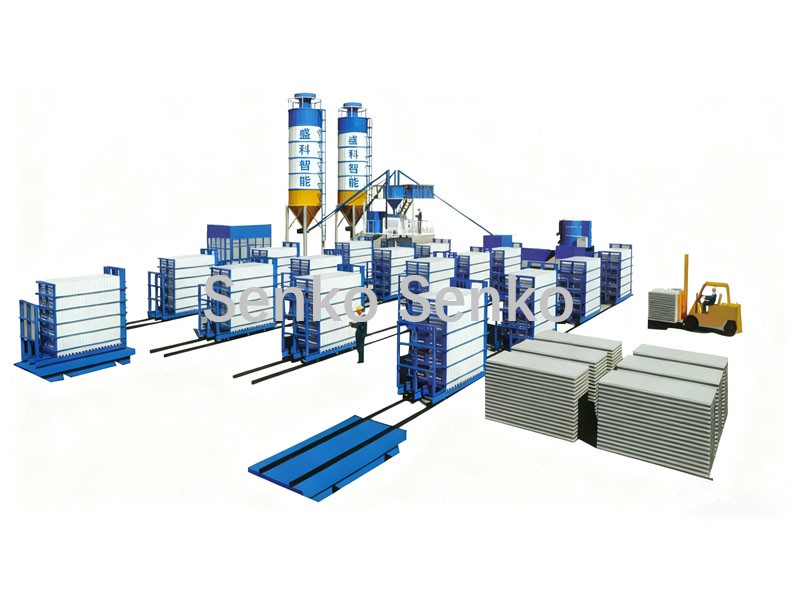
Precast concrete components are manufactured in factories or on-site, offering advantages such as labor savings, mitigation of seasonal influences, and ease of year-round construction. It is a crucial pathway to achieving industrialized construction. Types include precast ordinary concrete and prestressed concrete, and based on location, they are categorized as factory precasting (standardized mass production) and on-site precasting (for components requiring difficult transportation or special applications).
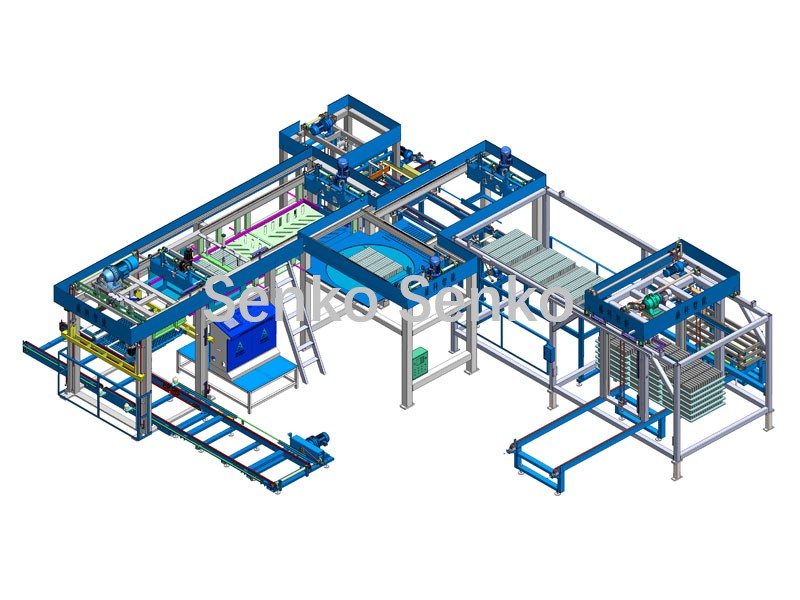
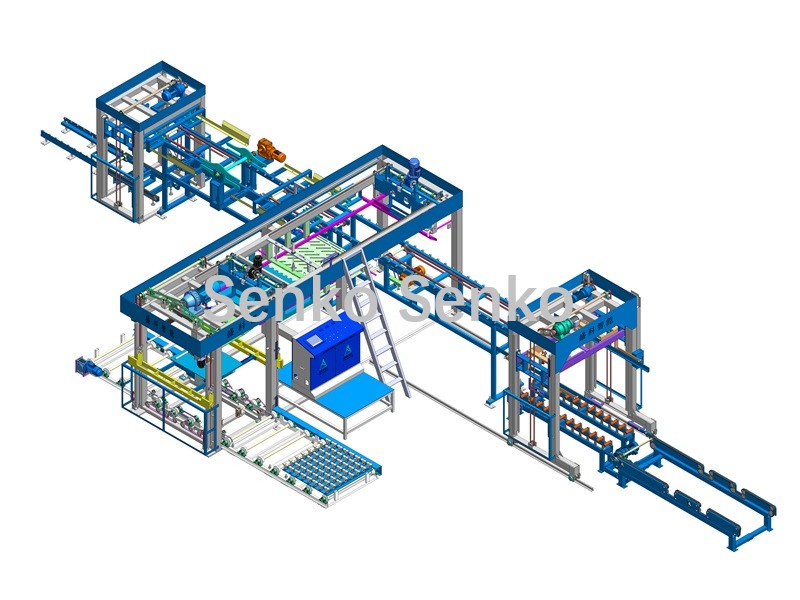
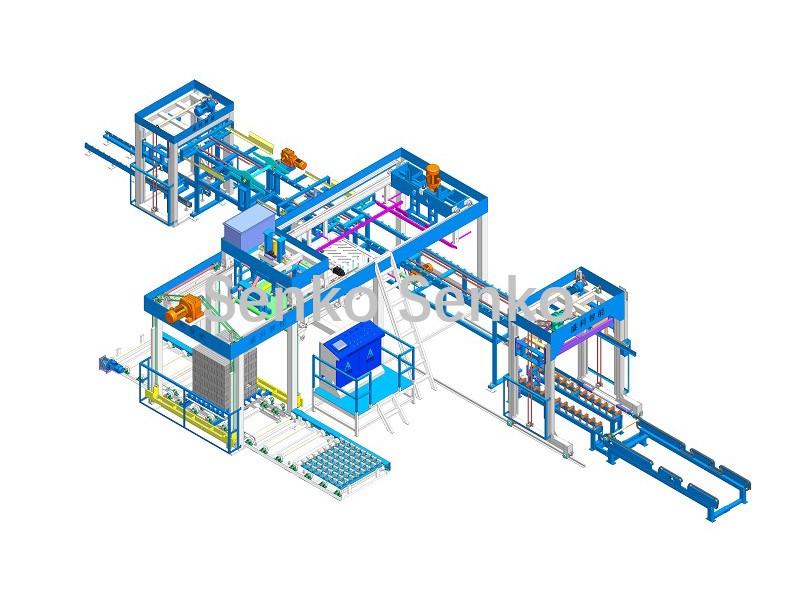
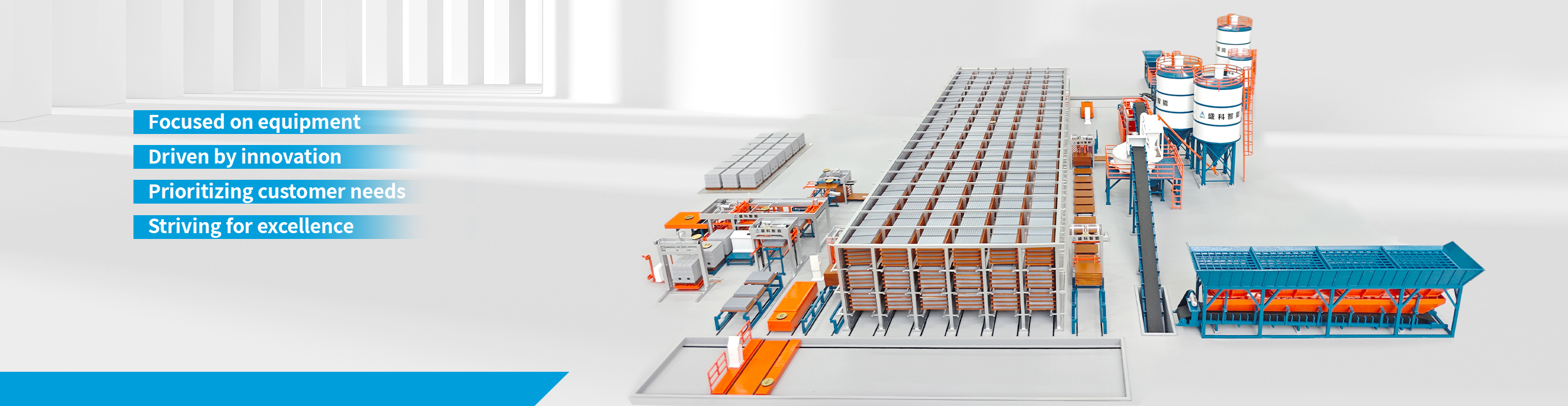
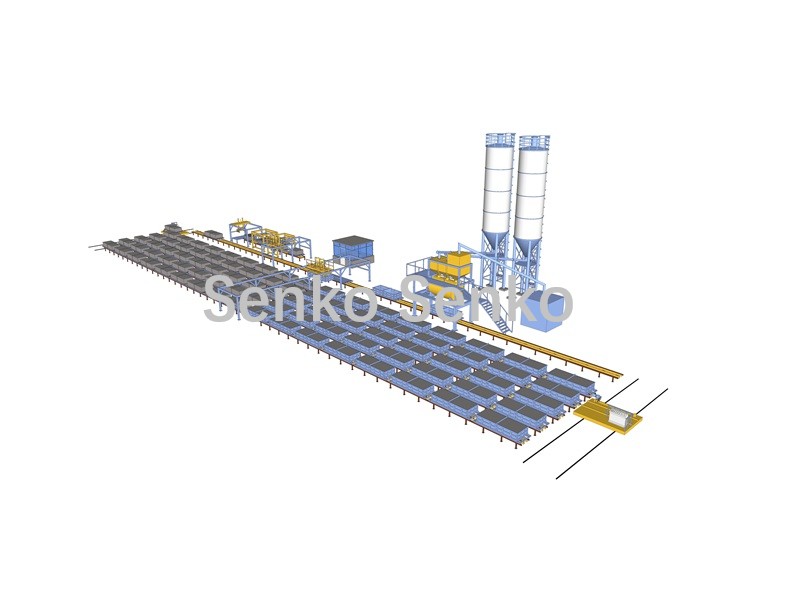
A wall panel production line is an automated industrial equipment used to produce various lightweight partition wall panels, mainly applied in prefabricated buildings and interior and exterior decoration. Its core raw materials include stone powder, plant fiber, inorganic adhesives, and PVC composite materials, with a daily production capacity of 300-1600㎡. It can produce interior and exterior wall panels with a thickness of 90-240mm, featuring lightweight, sound insulation, and fire resistance.
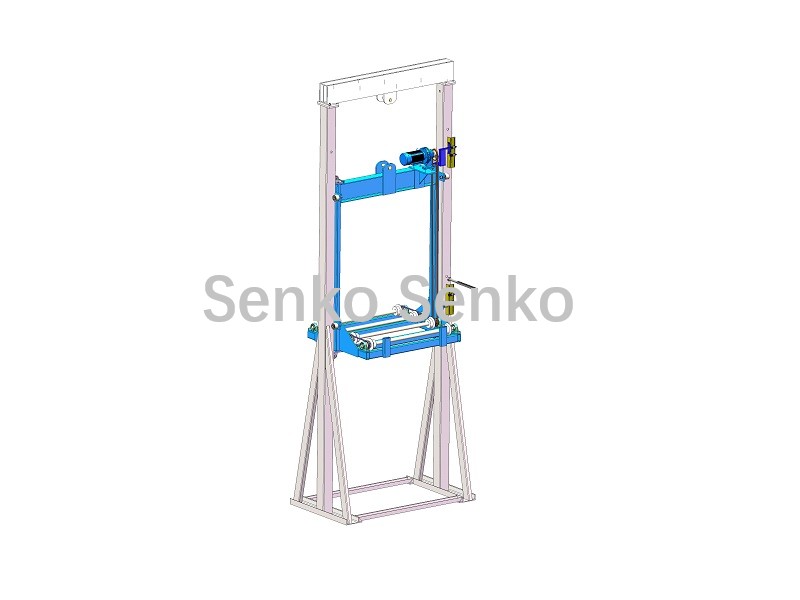
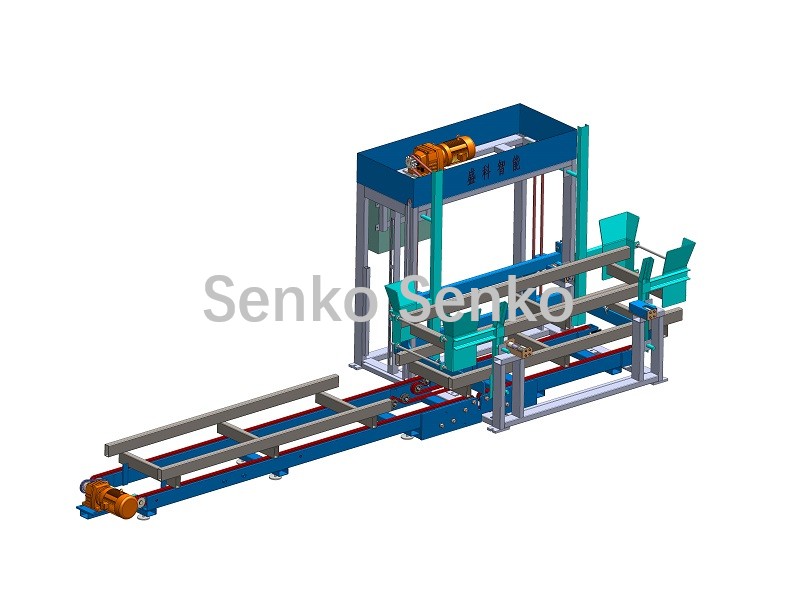
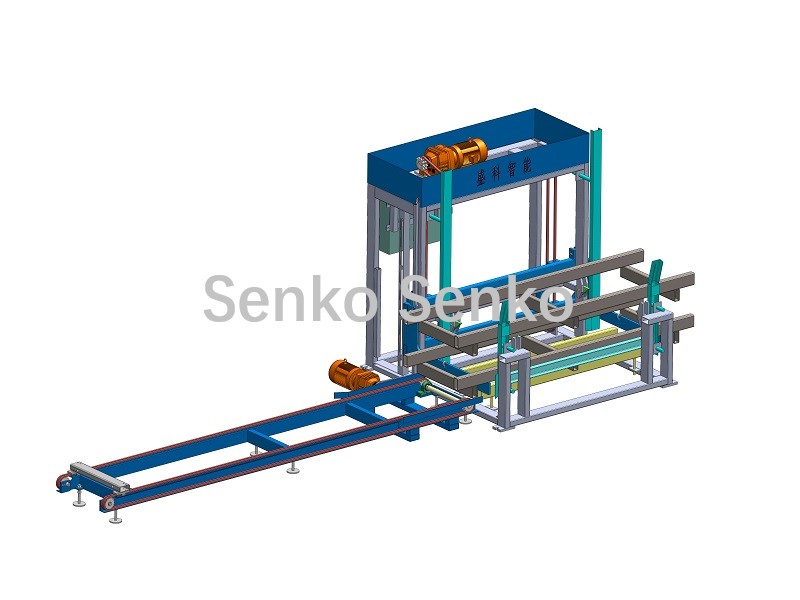
The fully automatic lifting and conveying device uses cylinders and motors in conjunction with frequency converter control, ensuring smooth operation and accurate positioning.
The horizontal strapping machine utilizes front and rear powered roller devices, achieving fully automatic, unmanned operation. The perfectly designed belt effectively solves the off-center problem, significantly extending the belt's lifespan. The powered rollers are driven by motors, and the work surfaces operate independently, making daily maintenance more convenient. The machine core and standard components are interchangeable, ensuring easy and quick maintenance.
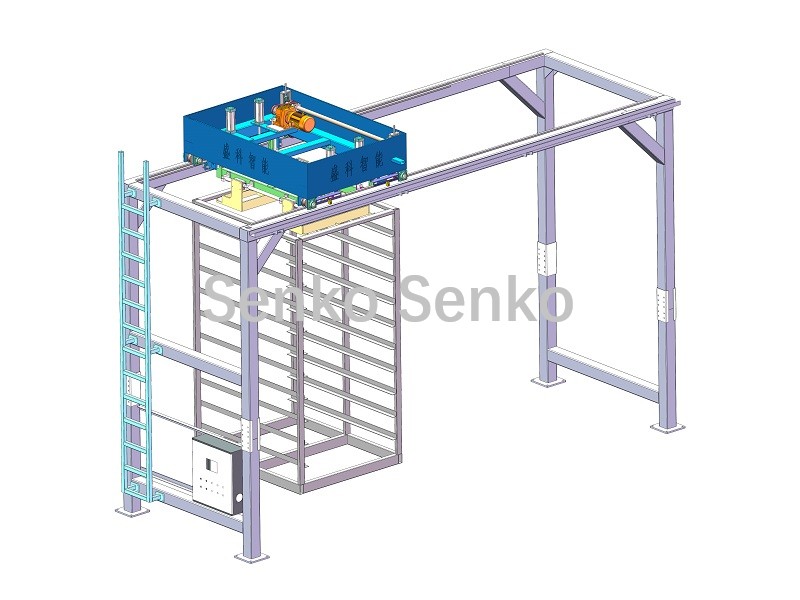
The soaking machine is used after brick stacking machines have stacked and piled up the bricks. The entire stack of bricks is then placed in a water tank and soaked completely.
The fully automatic lifting device features a synchronous structure with a high-efficiency brake motor reducer. It uses motor lifting, and the control and monitoring are controlled by a frequency converter and encoder.
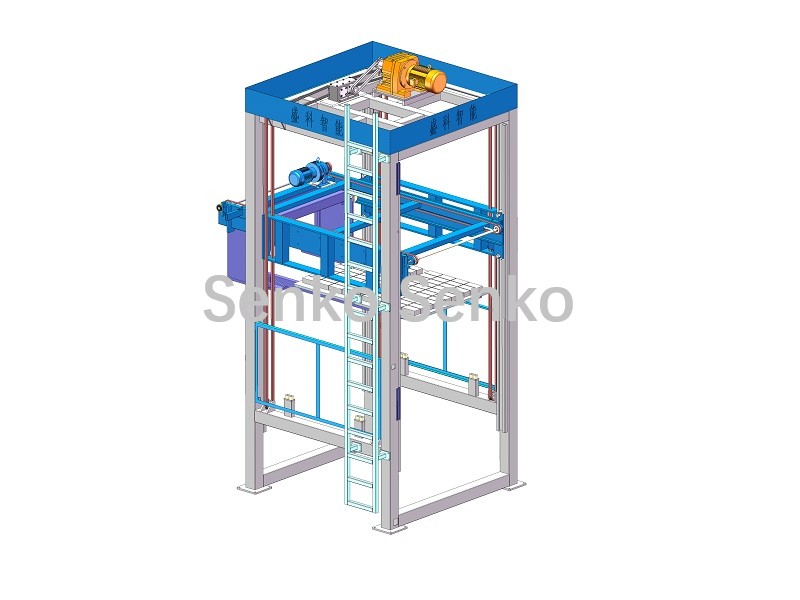
The pallet lifter is a core component of the non-fired brick production line. Through a hydraulic system, it automatically feeds, lifts, and delivers pallets, replacing manual labor for the automated transfer of 20-50 pallets. This equipment uses a PLC control system supporting both automatic and manual operation modes.
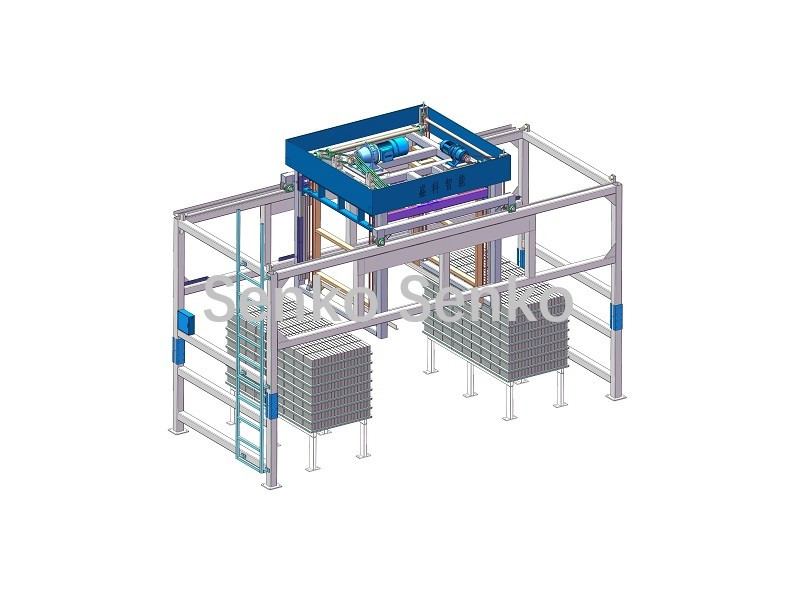
The bricks on the brick receiving machine are lifted and stacked on the left side to the set number of layers, then switched to the right side for stacking.
When a forklift is in operation, in order to lift multiple pallets or stacks at once, a frame needs to be placed underneath it to support multiple pallets or stacks.
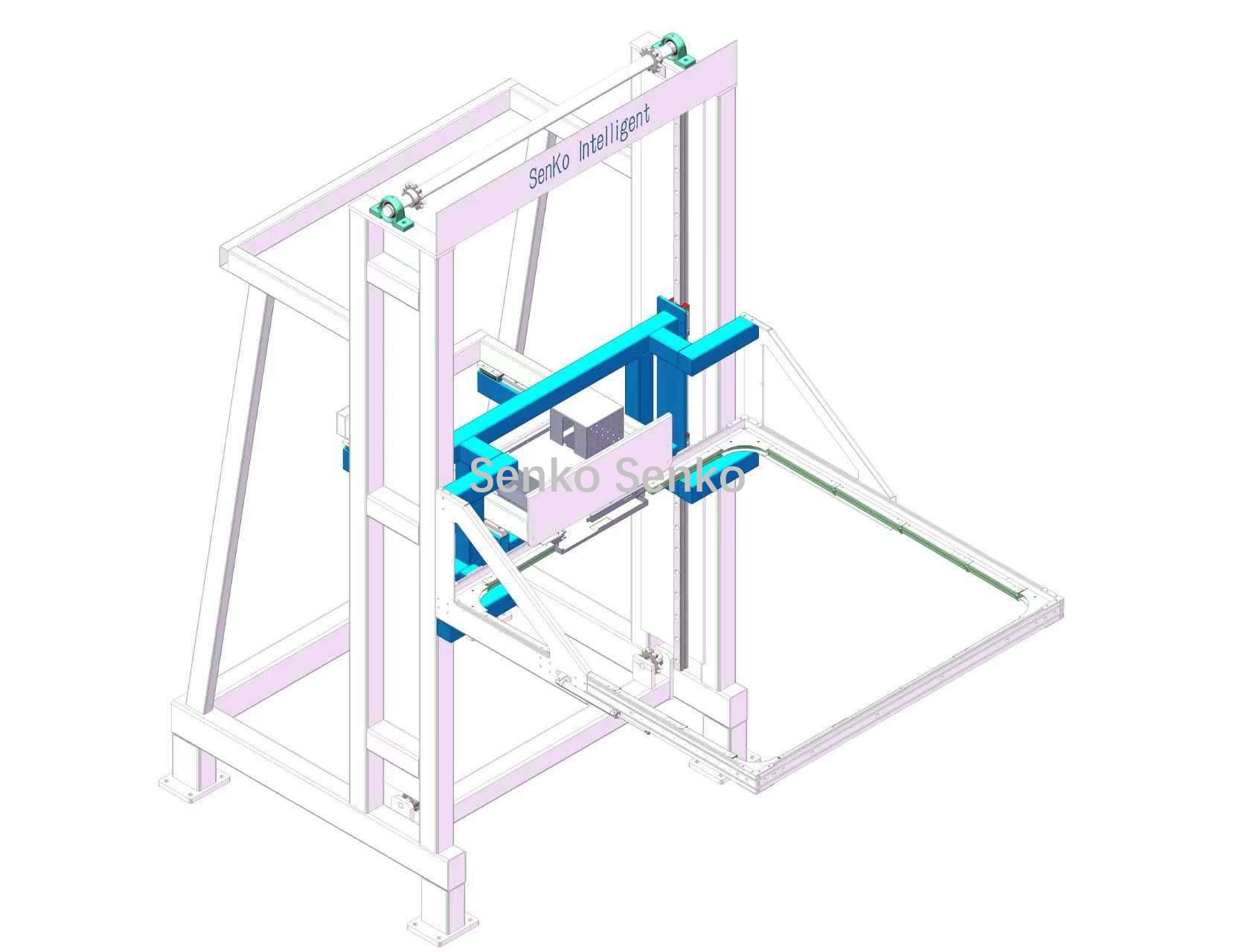
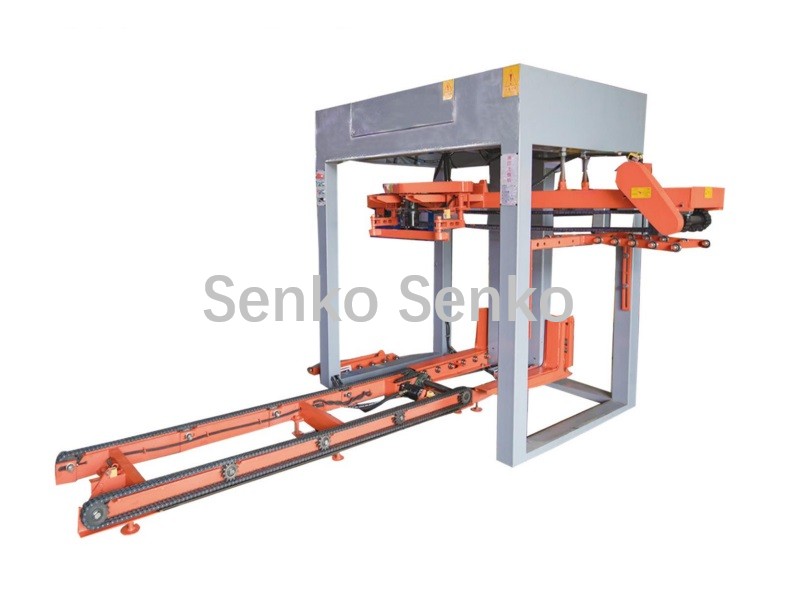
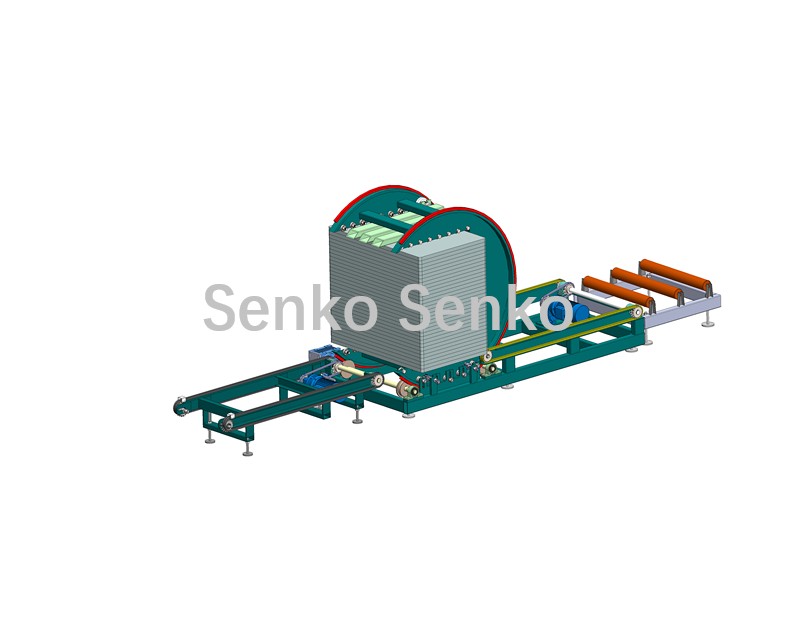
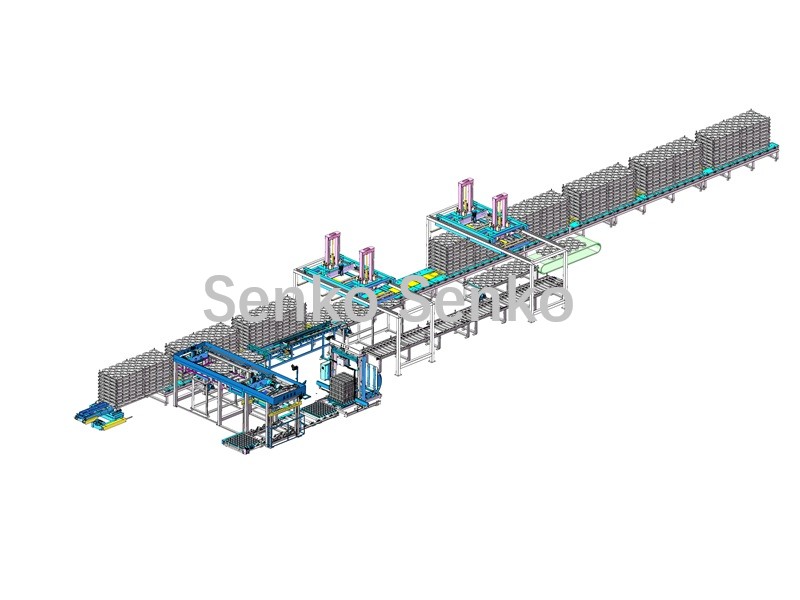
After the empty pallets are stacked, they are conveyed by a roller conveyor to the pallets stacks turning mechanism. The turning mechanism can turn the stacked blocks 90 degrees to ensure that the openings on the blocks can be removed by a forklift, thus replacing manual turning, saving labor, avoiding safety accidents, and protecting the blocks from damage.
After the blocks are stacked, they are conveyed by a roller conveyor to the stacking and turning mechanism. The stacking and turning mechanism can turn the stacked blocks 90 degrees to ensure that the openings on the blocks can be removed by a forklift, thus replacing manual turning, saving labor, avoiding safety accidents, and protecting the blocks from damage.