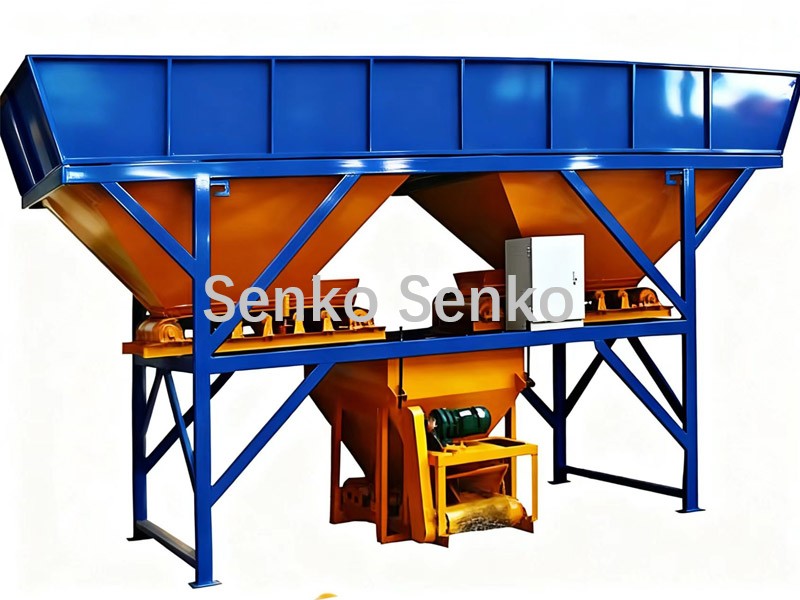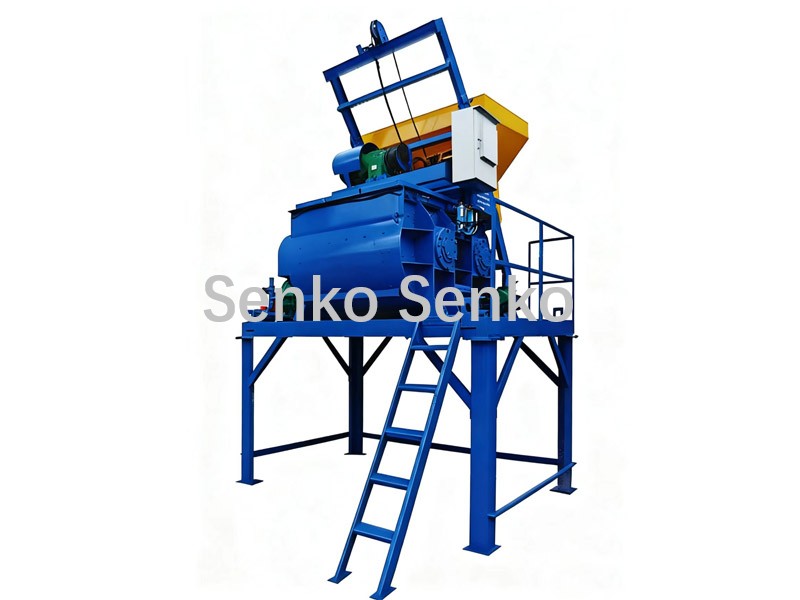
The concrete batching plant and mixer are equipped with fully automatic control. This series of batching plants uses electronic cumulative metering, centralized control in an electrical control cabinet, and digital display. It features high metering accuracy, fast batching speed, strong control performance, and high reliability. Feeding equipment can be of various types, including loaders, belt conveyors, grab buckets, and ground pushers.
A concrete mixer is a type of construction machinery used to mix cement, water, and aggregates (such as gravel or sand) to produce concrete for construction. Concrete mixers come in various types, including truck-mounted, portable, and stationary. Truck-mounted mixers are typically used for large construction projects, while portable mixers are more commonly used for small to medium-sized projects. Stationary mixers are typically used for precast concrete applications or large construction sites requiring a continuous supply of concrete. Concrete mixers have revolutionized the construction industry by making the concrete mixing process faster, more efficient, and more consistent.
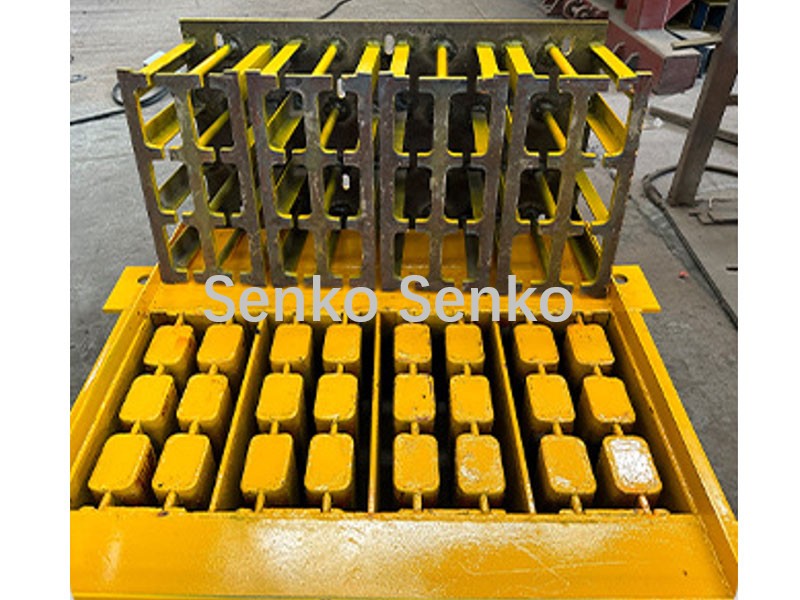
A brick block-making mould or punch is used to manufacture bricks. It is a tool used to shape clay or other materials into a specific form or shape, which is then fired in a kiln to produce bricks. Dies are typically made of cast iron or steel and are designed according to the specific dimensions and details required to manufacture a particular type of brick.
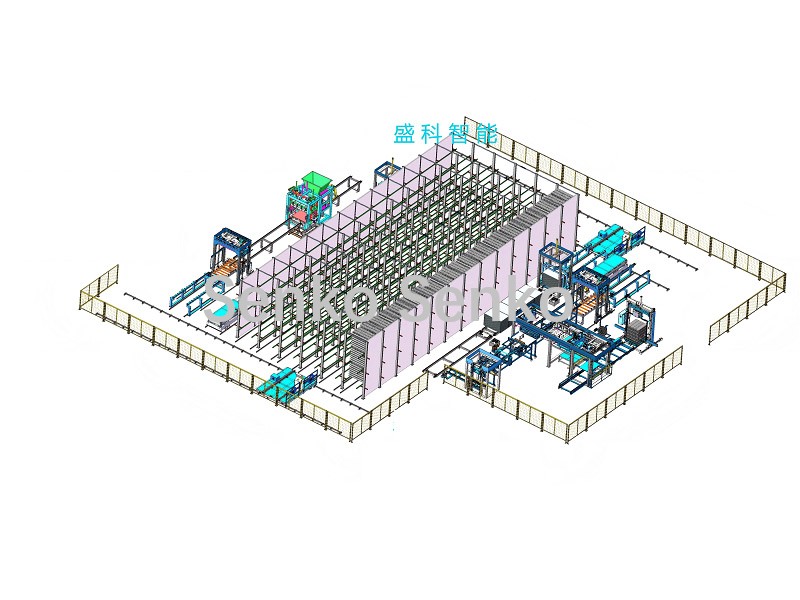
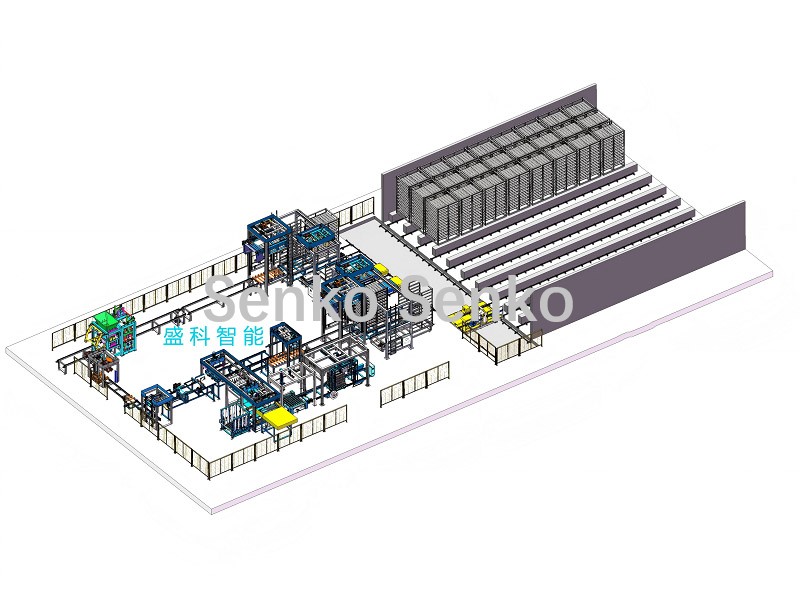
A solid waste brick-making production line is a system that converts solid waste into building bricks. It employs frequency-modulated amplitude-modulated vibration technology to achieve high density and energy savings in non-fired recycled bricks. Our waste brick-making machine can produce various types of non-fired recycled bricks and can be molded according to requirements.
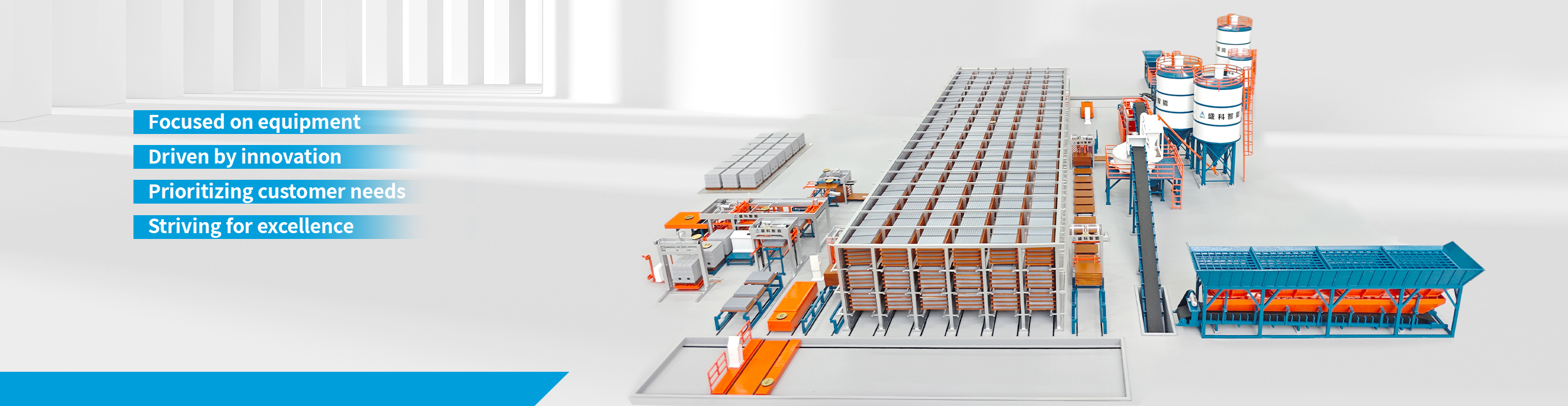
A wall and floor block production line with steel brick racks is an automated equipment combination used in the production of wall and floor tiles. It enables continuous operation of the production process, including a series of steps from tile placement, conveying, curing, processing to finished product packaging, improving production efficiency and product quality. By setting up a curing mechanism, it not only utilizes a conveyor motor to transport the wall and floor tiles, but also uses an external water pump connected to a curing water source and curing nozzles to cure the tiles. A blower, equipped with air blades, quickly removes water from the surface of the tiles.
This production line is fully automated and suitable for large-scale production of foamed bricks and foamed concrete blocks. The entire process of the foamed concrete block production line, from batching to mixing, molding, demolding, cutting, curing, and inspection, is simple and convenient to operate, has high output, and a high return on investment. It is a new type of environmentally friendly construction machinery production equipment.
Precast concrete components are manufactured in factories or on-site, offering advantages such as labor savings, mitigation of seasonal influences, and ease of year-round construction. It is a crucial pathway to achieving industrialized construction. Types include precast ordinary concrete and prestressed concrete, and based on location, they are categorized as factory precasting (standardized mass production) and on-site precasting (for components requiring difficult transportation or special applications).
A wall panel production line is an automated industrial equipment used to produce various lightweight partition wall panels, mainly applied in prefabricated buildings and interior and exterior decoration. Its core raw materials include stone powder, plant fiber, inorganic adhesives, and PVC composite materials, with a daily production capacity of 300-1600㎡. It can produce interior and exterior wall panels with a thickness of 90-240mm, featuring lightweight, sound insulation, and fire resistance.
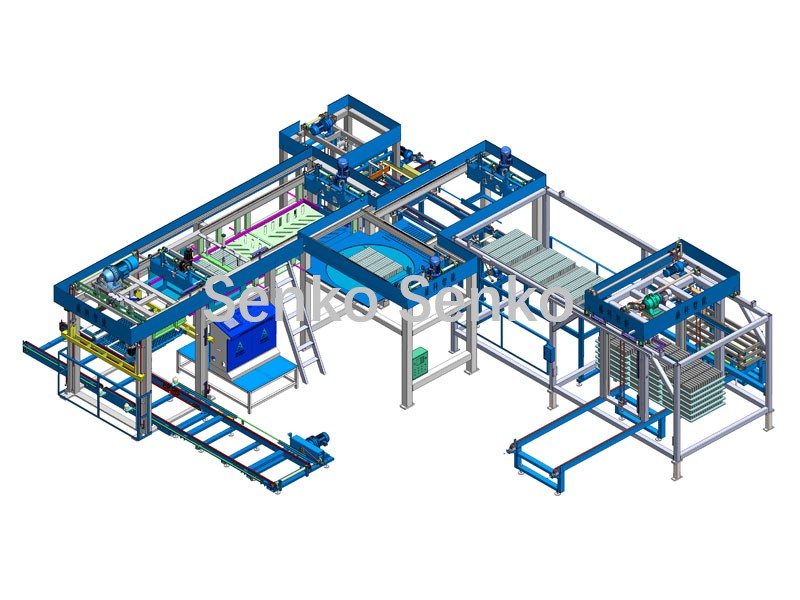
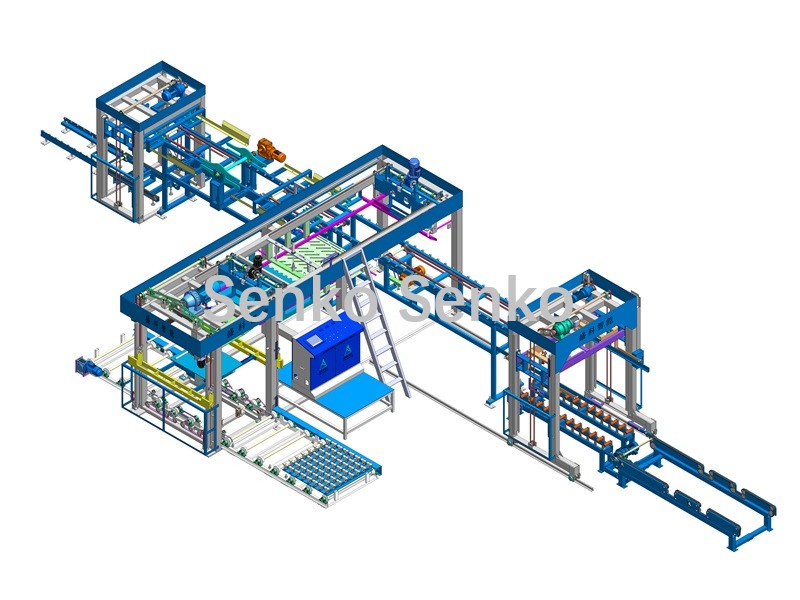
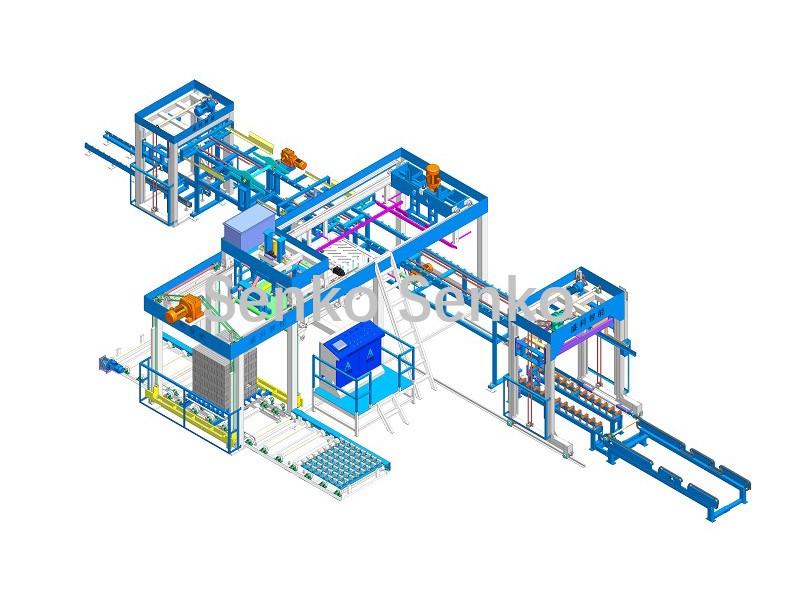
The fully automatic lifting and conveying device uses cylinders and motors in conjunction with frequency converter control, ensuring smooth operation and accurate positioning.
The soaking machine is used after brick stacking machines have stacked and piled up the bricks. The entire stack of bricks is then placed in a water tank and soaked completely.
The fully automatic lifting device features a synchronous structure with a high-efficiency brake motor reducer. It uses motor lifting, and the control and monitoring are controlled by a frequency converter and encoder.
The pallet lifter is a core component of the non-fired brick production line. Through a hydraulic system, it automatically feeds, lifts, and delivers pallets, replacing manual labor for the automated transfer of 20-50 pallets. This equipment uses a PLC control system supporting both automatic and manual operation modes.