
Global Block Manufacturing Industry Shifts Toward Automation and Low-Carbon Solutions Amid Emerging Market Infrastructure Boom
September 3, 2026
The global concrete block and paver manufacturing sector continues its rapid transformation in 2026, with two dominant trends reshaping investment decisions: accelerated factory automation and rising demand for low-carbon, waste-recycled masonry products. Strong infrastructure and affordable housing programs across Southeast Asia, Africa and Latin America are fueling steady orders for block making equipment, while tighter green building codes push producers to upgrade material formulas and production lines.
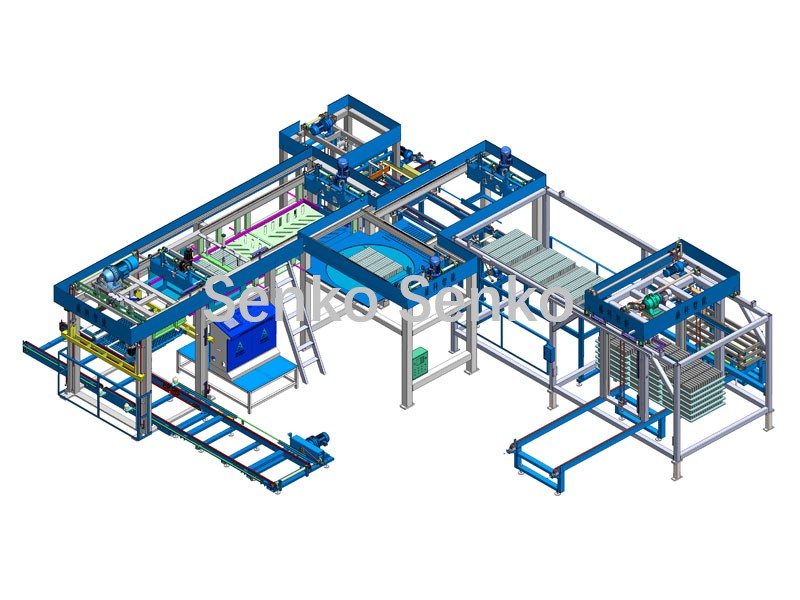
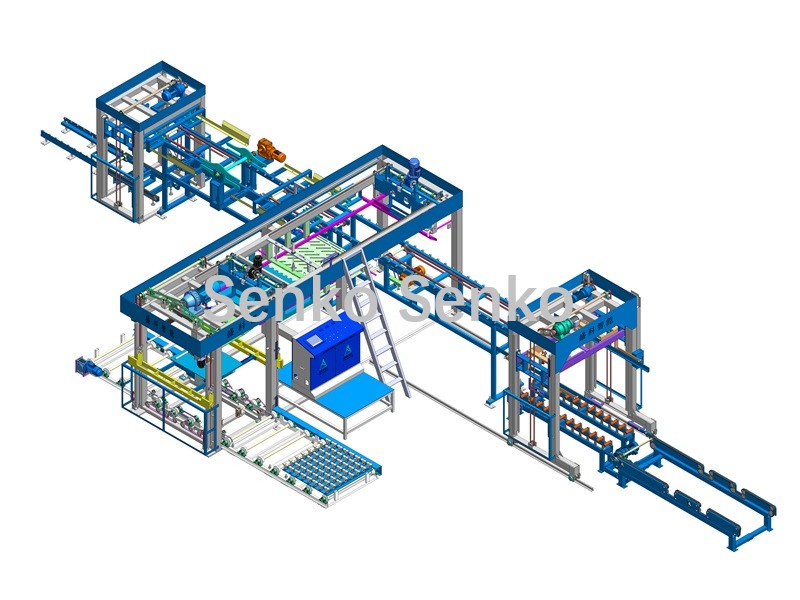
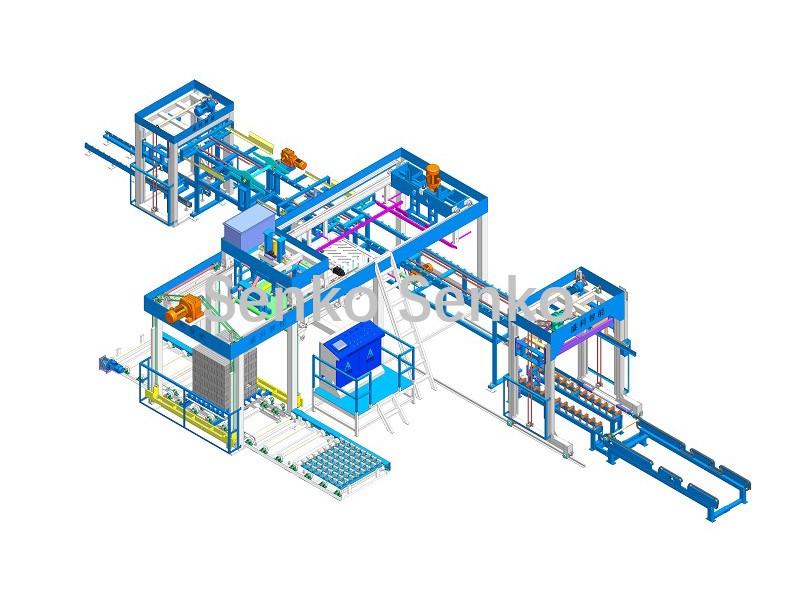
Industry analysts noted that fully automatic block production systems now account for nearly 48% of global installed block molding capacity. Compared with semi-automatic setups, modern automated lines reduce labor reliance and improve block dimensional accuracy by more than 20%. Many new-generation machines integrate real-time sensors and AI monitoring modules, which automatically adjust batching, vibration and compaction parameters to cut material waste and lower reject rates. Predictive maintenance functions built into PLC systems also help plant operators reduce unexpected downtime and control long-term ownership costs.
Sustainability has moved from optional add-on to core requirement for block manufacturers. More than half of block producers globally are adopting recycled aggregates, industrial slag, fly ash and construction demolition waste as raw materials. Permeable interlocking pavers are among the fastest-growing product categories, supported by urban sponge-city and flood management policies in many countries. European and North American markets are exploring carbon curing technology, which embeds captured CO₂ inside concrete blocks to lower product carbon footprints. Lightweight insulated blocks also gain traction for mid-rise residential projects, reducing building structural loads and improving thermal performance.
Regional market performance shows obvious divergence. Southeast Asia remains one of the hottest markets. Government infrastructure plans in Indonesia, Vietnam and the Philippines keep lifting imports of block machinery and molds, as large-scale housing, road and municipal landscaping projects require massive volumes of hollow blocks, curbstones and decorative pavers. Sub-Saharan Africa presents sustained demand for affordable housing solutions, where interlocking block machines are widely favored for their ability to use local raw materials and cut on-site construction expenses. Meanwhile, mature markets in Europe see more replacement demand: existing block plants are renovating old lines rather than building entirely new factories, prioritizing energy efficiency and digital control upgrades.
Challenges still weigh on industry profitability. Volatile prices for cement, aggregates and hydraulic components squeeze margins for block producers. Supply chain fluctuations and rising shipping costs also affect equipment buyers, especially small and mid-sized factory investors. Many buyers now pay closer attention to total cost of ownership (TCO), not only the upfront machine price, when selecting block making lines. Reliable after-sales service, spare parts availability and local technical support have become critical deciding factors for overseas purchasers.
Industry experts predict the upward trend will continue through the next five years. The global concrete block market is projected to maintain solid growth, driven by ongoing urbanization and climate-resilient construction projects. Equipment manufacturers are racing to launch flexible multi-mold production lines, enabling one machine to produce standard hollow blocks, interlocking pavers, curb stones and special eco-blocks to diversify product portfolios.
For plant owners, the recommended strategy is a balanced upgrade: invest in automation to stabilize output, adopt recycled raw materials to meet green certification requirements, and build standardized maintenance workflows to extend equipment service life. Companies that combine stable machinery performance with eco-friendly block formulas will capture the biggest share in the competitive global marketplace.
Sales : No.33,Jinhe Avenue,Binjiang Development Zone, Daxiamei Area,Nanan County,Quanzhou City, Fujian,China
Call Us Now : +8615559090996
Email : senko@fjsenko.com