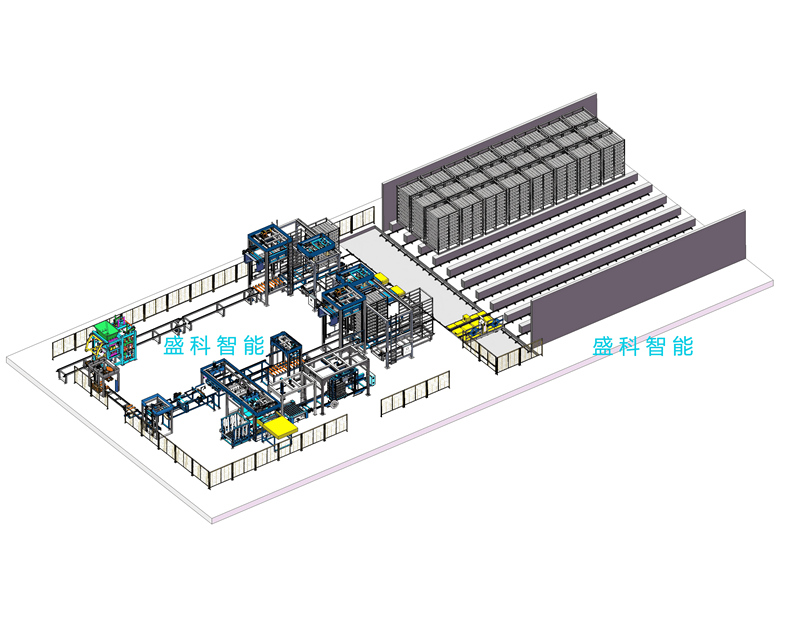
Any requirements of the site of new block making factory?
Jan 20, 2026
Setting up a block making factory requires considering both physical site requirements and regulatory approvals. Here are the key requirements based on industry practices and regulations.
🏭 Core Physical Site & Infrastructure Requirements
· Adequate Space: You need enough land for production halls, raw material storage (covering 30-40% of factory needs), and finished product storage (also 30-40% of production) . Buffer stocks between workstations are essential to prevent production halts .
· Key Site Features: The site must have good access roads for material delivery and block dispatch . A hard, flat ground surface (like concrete) is non-negotiable for stable block stacking . In dry, warm climates, plan for shelters to protect workers and certain processes from sun and dust .
· Utility Connections: Reliable access to water (for mixing) and electricity (for motorized equipment) is fundamental . For larger or more advanced setups, you'll need to plan comprehensive systems for power, water supply, drainage, and other pipelines .
· Factory Layout & Setbacks: Buildings must maintain minimum distances from boundaries: typically at least 13.5 meters from the front road and 6 meters from side and rear fences.
📜 Regulatory & Environmental Compliance
· Pollution Control: Check local "distance criteria" from residential areas. For example, in Kerala, India, large factories (≥1 tonne/day) must stay 25 meters away from homes, while smaller ones may be exempt .
· Construction Permits: In many regions (like China), you must obtain a "Construction Engineering Planning Permit". This requires prior documents like the land-use permit, project approval/filing, and an environmental impact assessment .
· Building & Zoning Codes: Local regulations dictate industrial building specs, including minimum ceiling heights (often 4.5+ meters), spacing between buildings for fire safety, and limits on non-production facilities .
⚙️ Strategic & Operational Factors
· Location Logic: Choose a site close to raw material sources (like soil/quarries) and your target market to minimize transport costs .
· Scale & Process Design: Your target productivity dictates the scale of everything. The choice between manual, semi-mechanized, or fully mechanized production lines affects space, labor, and investment needs .
· Comprehensive Planning: A detailed plan should cover the production cycle, equipment layout, and all auxiliary facilities (e.g., offices, worker amenities, labs for quality control) .
📍 How to Proceed with Your Project
To get specific and actionable information, you need to define three key things:
1. Planned Location: Country, state/province, and city. Regulations vary greatly by region .
2. Factory Scale & Type: Estimated daily production output (e.g., number of blocks or tonnes per day) and the type of blocks (hollow, solid, interlocking, compressed earth).
3. Project Stage: Are you conducting a feasibility study, looking for land, or preparing permit applications?
With more details, I can try to help you find more location-specific regulations or standards. For precise requirements, you should always consult with local urban planning authorities, industrial park administrations, and a civil engineer or factory consultant familiar with local codes.
As a machine manufacturer, We produce intelligent equipments: brick/ block forming machines, stacking machines, packing/ stripping machines; RGV transfer cars; palletizers;film wrapping / laying machine and full brick/block production line solutions,etc.