Why Central Asia Needs More Brick and Block Production Lines?
Mar 07, 2026
Why Central Asia Needs More Brick and Block Production Lines and How Quanzhou Senko Can Help
The Central Asian construction market is undergoing a significant transformation. Driven by infrastructure modernization, urbanization, and government-backed housing projects, countries like Kazakhstan, Uzbekistan, Kyrgyzstan, Tajikistan, and Turkmenistan are experiencing a construction boom that shows no signs of slowing . This surge in activity has created a pressing demand for high-quality building materials—specifically, concrete blocks and bricks. Here is why the region needs to expand its brick and block production capacity, and how Quanzhou Senko Intelligent Equipment Manufacturing Co., Ltd. is perfectly positioned to support this growth.
The Growing Demand for Bricks and Blocks in Central Asia
Infrastructure and Housing Development
Across Central Asia, governments are prioritizing large-scale infrastructure projects and residential construction. In Tajikistan, the market is fueled by government focus on improving infrastructure and housing projects, driven by urbanization and a growing population . Similarly, Turkmenistan"s market is propelled by government investments in infrastructure development and an increasing demand for modern building materials . This trend is echoed in Kyrgyzstan, where concrete, bricks, and blocks are among the most consumed construction materials, ranking second and third in overall usage .
The Shift Toward Modern, Efficient Materials
The market is witnessing a clear shift. While traditional bricks remain popular, there is growing adoption of more efficient products like concrete blocks and Aerated Autoclaved Concrete (AAC) blocks. These materials offer better insulation, faster construction times, and cost-effectiveness. In Kyrgyzstan, the market for AAC blocks is specifically forecasted as a key segment for growth . This transition requires modern production lines capable of manufacturing these advanced materials to consistent quality standards.
Overcoming Local Production Challenges
Despite the high demand, local manufacturers in the region often face significant hurdles. Reports from Tajikistan highlight challenges such as limited access to modern technology and machinery, which hinders production efficiency and quality control . Fluctuating raw material costs and competition from imports further complicate the landscape . There is a clear and urgent need for automated, reliable, and high-capacity production lines that can help local businesses overcome these inefficiencies and meet the growing market demand with high-quality, locally-made products.
How Quanzhou Senko Can Empower the Central Asian Market
Founded in 2017, Quanzhou Senko Intelligent Equipment Manufacturing Co., Ltd. is at the forefront of innovation in the cement product industry. As a "National High-Tech Enterprise" with a robust portfolio of 7 invention patents and over 30 utility model patents, Senko brings world-class expertise to the table . Here is what Senko can offer to partners in Central Asia:
1. Cutting-Edge, Automated Production Solutions
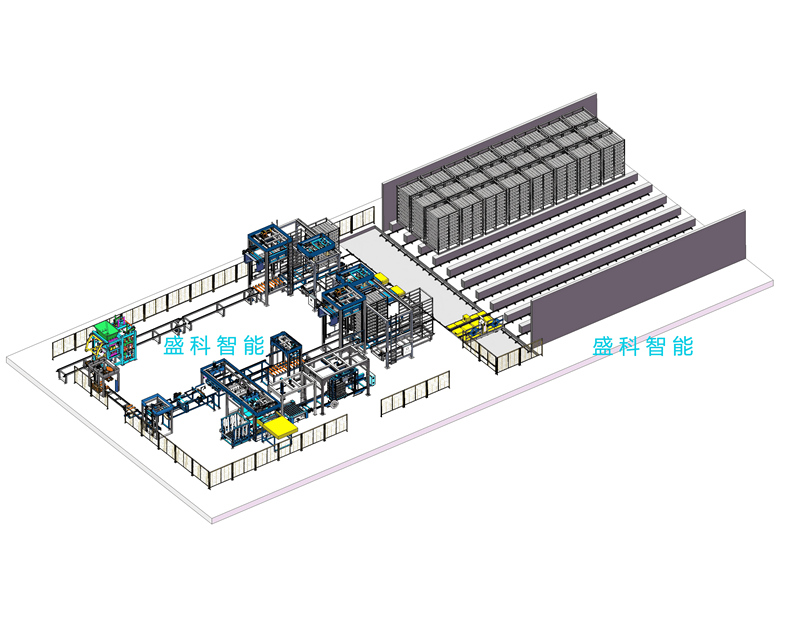
Senko specializes in the development and manufacture of advanced automated production solutions. Their product range includes brick stacking machines, new energy transfer vehicles, laminating machines, wrapping machines, and packing machines . For Central Asian manufacturers looking to upgrade from outdated, labor-intensive methods, Senko"s fully automated lines promise to dramatically increase output, ensure product consistency, and reduce long-term operational costs.
2. Tailored Solutions for Modern Material Trends
Recognizing evolving market trends, Senko has crafted exclusive, high-end solutions specifically for modern applications. This includes specialized production lines for "anti-stone brick" production and, crucially, solid waste recycling . Their innovative framed production line and multi-layer solid waste maintenance line are ideal for producing sustainable materials like AAC blocks or products that utilize recycled aggregates, directly aligning with the region"s growing interest in eco-friendly and energy-efficient construction materials .
3. A Proven Track Record of Global Excellence
Senko"s products have already earned an exceptional reputation across Asia, Europe, and Africa . This global reach demonstrates their ability to understand diverse market needs and deliver equipment that performs reliably in various operating conditions. Central Asian manufacturers can leverage this experience, partnering with a company that understands the challenges of emerging markets.
4. Unwavering Commitment to Support and Innovation
Senko"s mission is rooted in a philosophy of continuous innovation and customer satisfaction. They are supported by a team of technical experts dedicated to providing effective solutions and prompt after-sales support . For a Central Asian company investing in new machinery, having a partner committed to long-term success—from installation to maintenance and troubleshooting—is invaluable.
Conclusion
The construction boom in Central Asia presents a golden opportunity for local brick and block manufacturers. To capitalize on this, investment in modern, efficient, and reliable production technology is not just an option—it is a necessity. Quanzhou Senko Intelligent Equipment Manufacturing Co., Ltd., with its advanced technology, innovative solutions for modern materials, and proven global expertise, is the ideal partner to help drive the region"s construction future. By empowering local producers with the tools they need to succeed, Senko can help build Central Asia, one block at a time.