

Making a block-making factory profitable today requires a strategic focus on cost control, operational efficiency, and market adaptability. Based on industry reports and operational studies, here are the key pillars for profitability.
📊 Five Pillars of a Profitable Block Factory
Pillar Key Actions & Strategies Impact on Profitability
1. Cost & Raw Material Control Use alternative aggregates (e.g., recycled materials); source materials locally; implement precise cost accounting. Directly increases margins by reducing the largest variable cost; studies show using recycled rubber can lower production costs by ~5%.
2. Production Efficiency & Automation Invest in automated, high-capacity machines; optimize factory layout and workflow; achieve economies of scale. Boosts output and reduces unit cost; automation can increase daily production by over 100%, significantly raising sales and margins.( take Quanzhou Senko Intelligent Equipment Manufacturing Co.,Ltd for example)
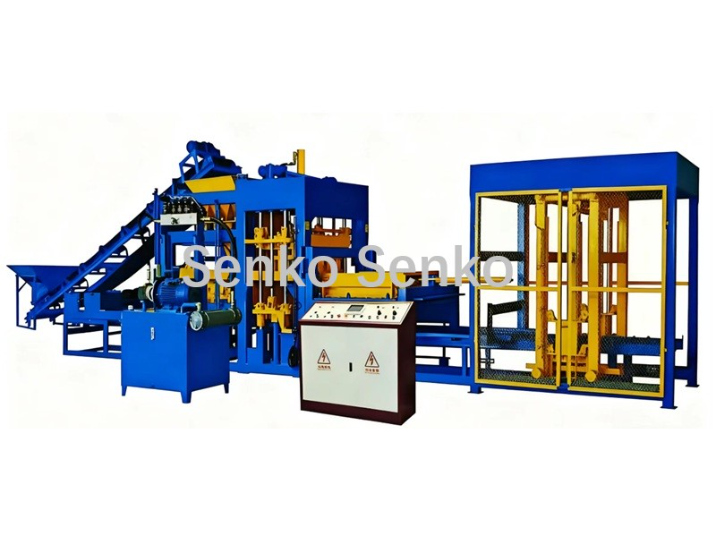
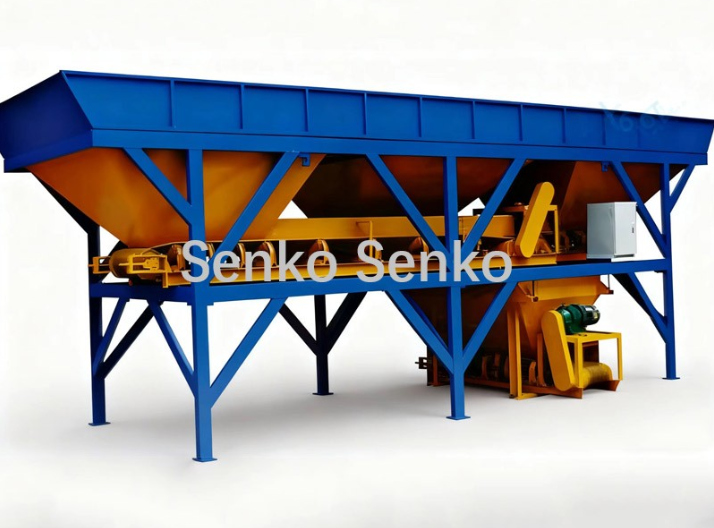
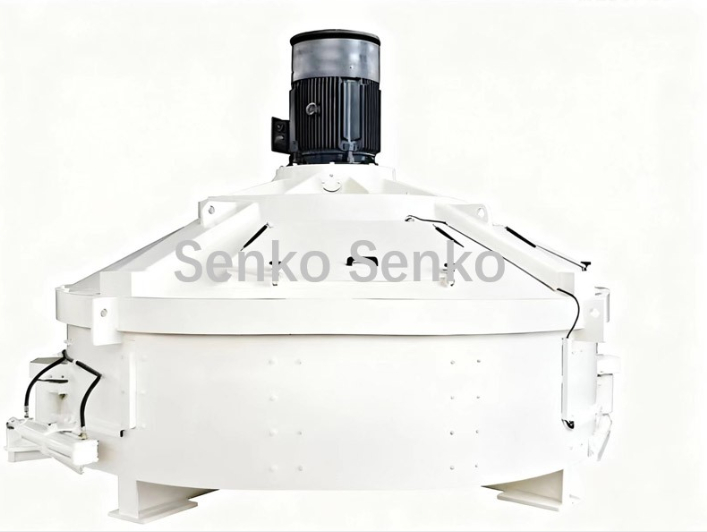
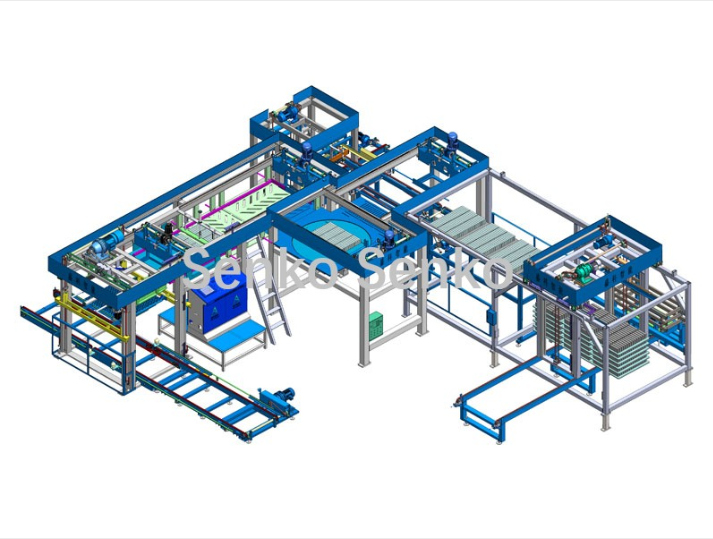
3. Market & Product Strategy Secure demand from local construction projects; offer a product mix and transport services; balance make-to-order and standard production. Ensures sales stability and premium pricing; becoming a one-stop shop (blocks + delivery) increases customer loyalty and revenue streams.
4. Financial & Data-Driven Management Analyze product profitability (e.g., revenue vs. margin quadrant); track KPIs (on-time delivery, OEE, inventory turnover). Enables smart decision-making; helps focus resources on high-profit products and identifies operational bottlenecks.
5. Business Model & Sustainability Diversify into related building materials (e.g., pavers, kerbs); offer value-added services; adopt eco-friendly practices. Future-proofs the business; creates new revenue streams and appeals to modern, environmentally-conscious markets and regulations.
🛠️ Practical Implementation Roadmap
To build or transform a factory, follow these stages:
Stage 1: Foundation & Planning (Pre-Investment)
· Validate Demand: Research local and regional mid-term infrastructure and housing plans to ensure a stable market.
· Strategic Location: Choose a site close to both raw material sources and your target market to minimize transport costs.
· Business Model Design: Decide if you will be a pure producer, a producer with transport, or a full-range building material supplier.
Stage 2: Optimization & Execution (Operational)
· Costing Model: Develop a detailed cost model to know the true cost per block for each product type.
· Go Automated: For new setups or major upgrades, prioritize semi or fully automatic machines from the start for higher quality and output.
· Measure Performance: Implement a KPI dashboard to regularly review production efficiency, delivery rates, and quality pass rates.
Stage 3: Strategic Growth
· Product Portfolio Analysis: Regularly use a profitability quadrant analysis to identify star products and phase out unprofitable ones.
· Innovate: Continuously explore new raw material mixes and product designs (like insulated blocks) to stay ahead.
The most profitable factories today are not just manufacturing sites; they are efficient, market-responsive, and strategically managed enterprises. The shift from manual to automated production is often the single most impactful decision for scaling profitability.
Sales : No.33,Jinhe Avenue,Binjiang Development Zone, Daxiamei Area,Nanan County,Quanzhou City, Fujian,China
Call Us Now : +8615559090996
Email : senko@fjsenko.com